Stop renting your software.
Own the systems that run your business. Every renewal buys another month of access. Scribbify turns the workflows you cannot afford to lose into software you control.
Illustrative ledger. Your contracts and pricing will differ.
One useful tool becomes a stack. The stack becomes the business.
The subscription is easy to approve and easy to forget.
Each new workflow makes the stack more expensive and harder to change.
Your team is no longer buying software. It is protecting access.
What disappears when the payments stop?
Customer history. Automations. Dashboards. Approvals. The workflows your team depends on remain available only while every vendor keeps your account open.
Illustrative shutdown scenario. Vendor policies differ.
You pay the invoice. Your team pays the workaround.
Your business should adapt less. Your software should adapt more.
The turning point is not replacing every subscription. It is owning the workflows that make your business yours.
Replace the stack with one owned system.
Keep commodity tools where they work. Build the operating layer they cannot give you: one source of truth, one set of rules, one roadmap you control.
Book a 30-minute callIllustrative system map. The final architecture follows your operation.
A system shaped around how the work moves.
Replace the spreadsheet, the manual hand-off and the tool nobody wants to touch.
Put drafting, extraction and triage inside the workflow.
See capacity, delivery and exceptions without asking.
Give clients one place for files, status and approvals.
Connect the work end to end while keeping human review where it matters.
Do not rebuild every tool. Own what matters most.
Use SaaS for standard problems. Build around your advantage.
Custom software becomes an investment when the workflow is valuable, repeated and specific to the way you operate.
We learned ownership by building for ourselves.
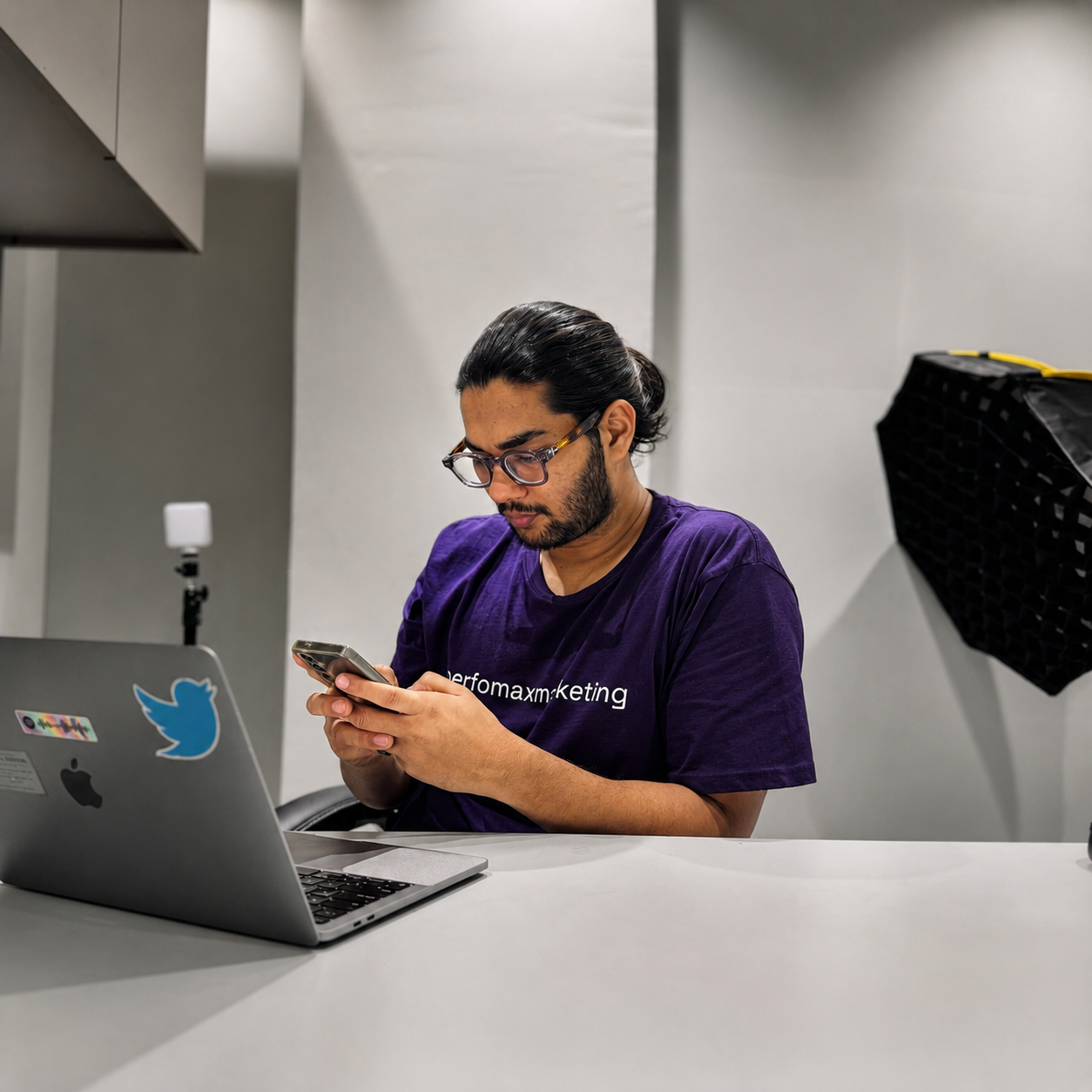
“We did not begin by selling custom software. We began by building the systems our own agency needed, then kept operating the products that grew out of them.”
Scribbify has built six products from internal operational problems. That changes the conversation: fewer roadmaps, fewer hand-offs, more working software.
From bottleneck to owned system. In working releases.
One 30-minute call identifies the workflow, the tools around it and the cost of leaving it alone.
A working prototype arrives inside a week, built around the way your team actually works.
The live system, repository and runbook move into your control. No license designed to keep you trapped.
The practical side of leaving software rent behind.
[01] Should we replace every SaaS tool?
No. Keep strong tools for standard work. We focus on the workflow that is unique, valuable and currently spread across workarounds. The first call separates what should stay from what may be worth owning.
[02] How much does an owned system cost?
Every build receives a fixed project quote after the call. A focused workflow and a full operating platform are different investments. If the economics do not make sense, we will say so before work begins.
[03] How fast can we see something real?
A working prototype normally arrives inside a week. Most first releases go live inside three. Larger systems are divided into useful releases so you are not waiting through a long roadmap.
[04] Who owns the code and data?
You do. The repository, production accounts and data sit under your control. You receive the code and a written runbook. There is no software license designed to make leaving expensive.
[05] Can the system keep our existing tools?
Yes. Ownership is not the same as rebuilding everything. We connect the useful tools, remove avoidable dependencies and build the operating layer specific to your business.
[06] What happens after launch?
You keep the system whether or not you request more work. Changes are scoped directly with the builder. You are not moved into a support queue or required to keep paying a retainer to preserve access.
Stop paying forever for access. Start building an asset.
Bring the stack, the workaround and the process you cannot afford to lose. Leave with a clear answer: keep buying, connect what you have, or build what should belong to you.